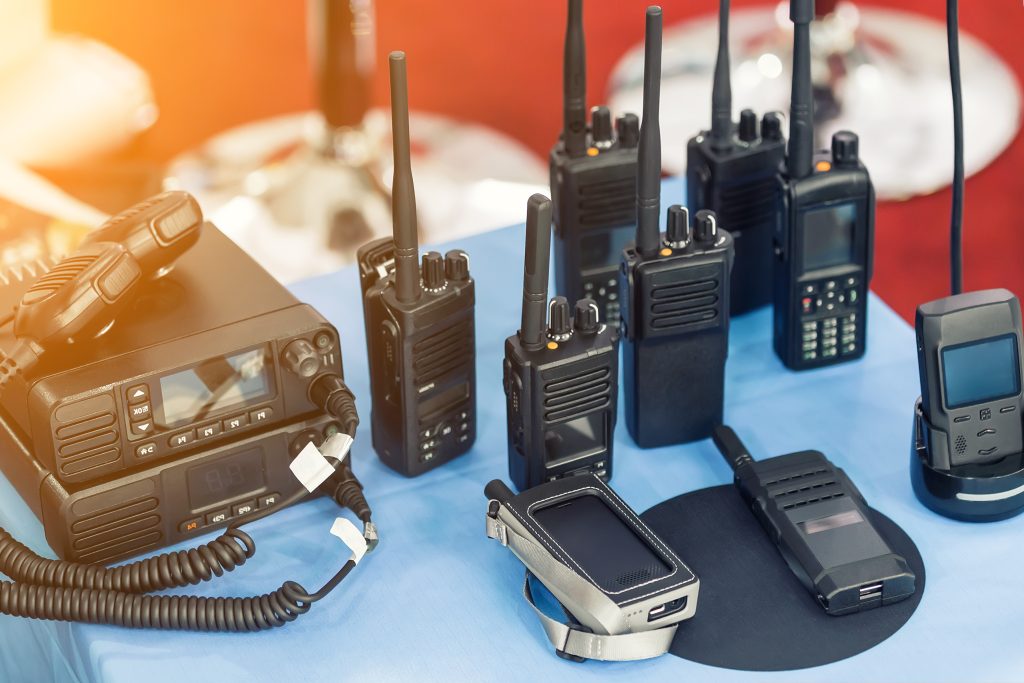
Enhancing Emergency Communication with BDA Systems
In the world of fire and life safety, reliable communication is critical. During an emergency, first responders—firefighters, paramedics, and law enforcement—must be able to communicate without interference or signal loss. Unfortunately, many modern buildings, with their reinforced concrete, steel structures, and energy-efficient windows, create signal dead zones that can disrupt radio communication. This is where a low voltage Bi-Directional Amplifier (BDA) / Emergency Responder Radio Communication System (ERRCS) solutions come into play.
BDA systems enhance in-building radio signals, ensuring that first responders maintain seamless communication during an emergency. At State Systems, we specialize in the design, installation, and maintenance of BDA systems to help businesses comply with fire codes and improve overall safety.
What is a BDA System?
A Bi-Directional Amplifier (BDA) system is a signal-boosting solution designed to improve radio frequency (RF) coverage inside buildings. These systems amplify and distribute radio signals to ensure public safety communications are reliable, even in areas where signals would typically be weak or nonexistent.
BDAs are especially important in large commercial buildings, high-rise structures, hospitals, underground parking garages, stadiums, and industrial facilities where radio signals may struggle to penetrate. Without a properly installed BDA system, first responders may lose critical communication when navigating these spaces, putting both lives and property at risk.
For more details on BDA system requirements, refer to NFPA 1225 standards.
How Does a BDA System Work?
A BDA system works by capturing strong acceptable radio signals from outside a building, amplifying them, and then redistributing them throughout the structure where weak, poor signal strengths reside. The process involves several key components:
- Donor Antenna – Mounted on the roof or an exterior wall, this antenna captures the external radio signal.
- Bi-Directional Amplifier Unit – This device boosts the captured signal, ensuring it is strong enough for effective communication inside the building.
- Distributed Antenna System (DAS) – A network of indoor antennas that evenly distribute the amplified signal throughout the facility.
- Battery Backup System – Ensures continuous operation even during power outages, a crucial feature for emergency situations.
This system provides two-way amplification—enhancing both incoming and outgoing signals—allowing first responders to communicate clearly with dispatch centers and other personnel inside and outside the building.
Where Are BDA Systems Required?
Many local and state building codes require BDA systems to be installed in commercial structures to ensure compliance with NFPA 1225 and IFC (International Fire Code) standards. These regulations mandate that all new and existing buildings meet a certain threshold for emergency communication reliability.
Industries that commonly require BDA systems include:
- Hospitals and Healthcare Facilities – Ensuring doctors, nurses, and emergency responders can communicate seamlessly during critical situations.
- High-Rise Office Buildings – Providing coverage in stairwells, basements, and elevator shafts.
- Educational Institutions – Ensuring campus safety teams and first responders have uninterrupted communication in classrooms, auditoriums, and sports arenas.
- Hotels and Resorts – Preventing communication failures in large, complex structures.
- Industrial Facilities and Warehouses – Allowing quick response coordination in case of fire, chemical spills, or other emergencies.
If your building fails an Emergency Responder Radio Coverage (ERRC) survey test, a BDA system is required to bring it up to code. Learn more about FCC public safety communication guidelines.
Benefits of Installing a BDA System
Enhanced First Responder Communication
By eliminating radio dead zones, a BDA system ensures that police, firefighters, and EMS can communicate in every area of a building, improving response times and coordination.
Compliance with Fire Code Regulations
With laws and safety codes requiring ERRC-compliant buildings, installing a BDA system helps you avoid fines and ensures your facility meets national safety standards.
Increased Building Safety
A reliable communication network can help prevent escalations during emergencies, allowing for faster evacuation, immediate incident reporting, and better situational awareness.
Continuous Signal Coverage
From basements to stairwells, BDA systems ensure that communication devices function properly, no matter where first responders are located.
Future-Proofing Your Building
As public safety communication standards continue to evolve, installing a BDA system now ensures your building is equipped for future technology upgrades and compliance requirements.
State Systems: Your Partner in BDA System Installation
At State Systems, we understand the importance of in-building emergency communication and are committed to helping businesses stay compliant and safe. Our team of experts provides:
- Consultation & Compliance Assessment – Evaluating your building’s current signal strength and ensuring compliance with NFPA and IFC requirements.
- Custom System Design & Engineering – Tailoring BDA solutions to meet your facility’s specific layout and needs.
- Professional Installation – Implementing BDA systems seamlessly with minimal disruption to your operations.
- Routine Maintenance & Testing – Keeping your system running efficiently and ensuring ongoing compliance with safety codes.
If your facility is struggling with public safety radio coverage, don’t wait until an emergency exposes the risk.
Schedule a Consultation for BDA System Installation
State Systems has partnered with Honeywell to provide a reliable and effective UL-2524 Listed Bi-Directional Amplifier System for your building. Quality installation, testing, and maintenance to ensure seamless emergency communication in hospitals, office buildings, schools, and industrial facilities.
Contact us today to schedule a consultation and ensure your building meets all safety and communication standards.
For expert BDA system installation and compliance assessments, call State Systems at 901-612-2415.